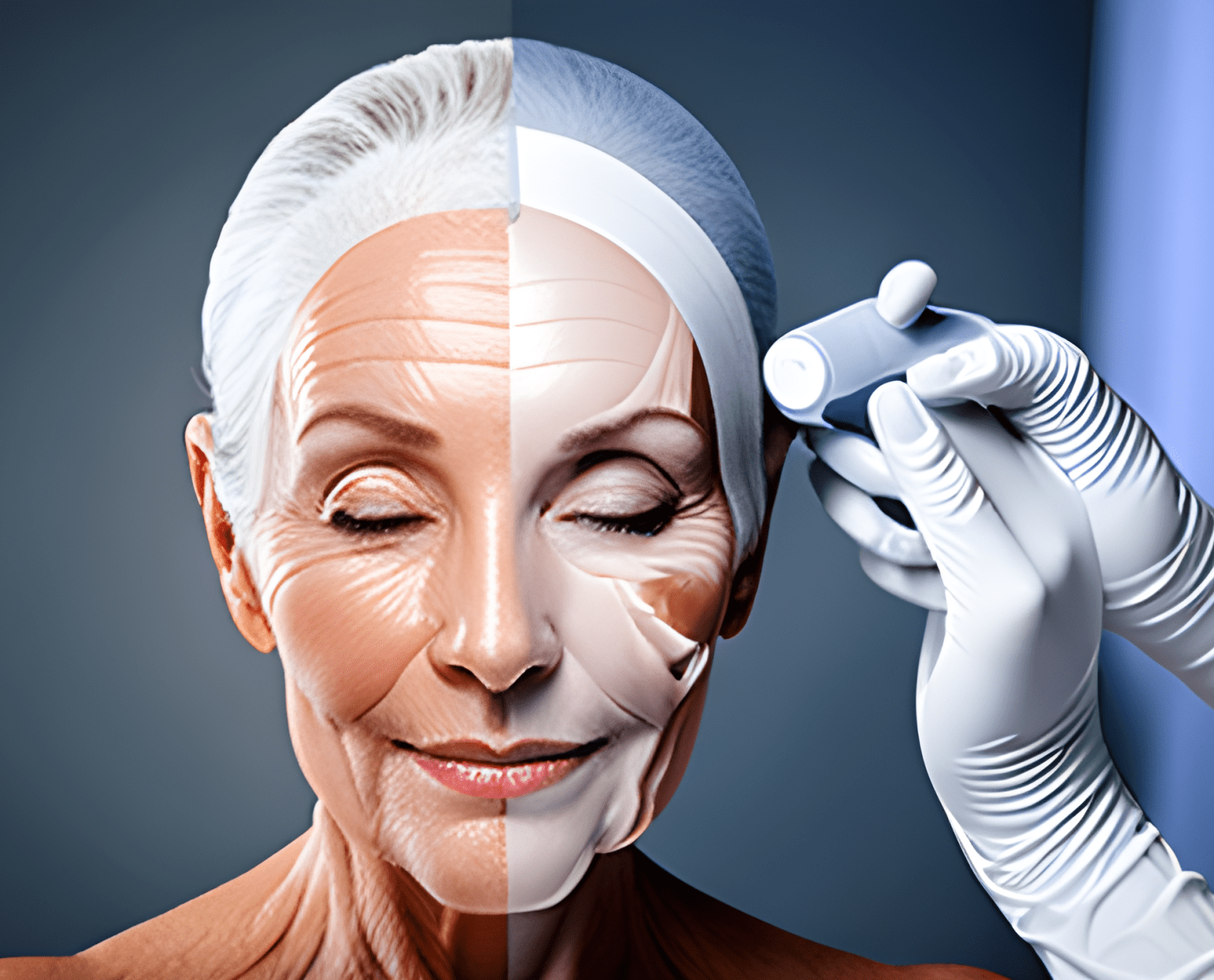

In the quest for eternal youth, the beauty and skincare industry has witnessed a surge in the popularity of anti-aging products. From serums and creams to masks and supplements, the market is flooded with promises of smoother skin, diminished wrinkles, and a more youthful appearance. But what’s the truth behind these claims? Do anti-aging products truly deliver on their promises, or are they merely a marketing gimmick? In this blog, we delve into the science behind anti-aging products to separate fact from fiction.
Understanding the Aging Process
Aging is a natural biological process that affects all living organisms, including humans. It is characterized by the gradual decline in physiological functions and the accumulation of cellular damage over time. Skin aging, in particular, is influenced by both intrinsic factors (genetics and hormones) and extrinsic factors (sun exposure, pollution, and lifestyle choices).

Key Ingredients in Anti-Aging Products:
1. Retinoids:
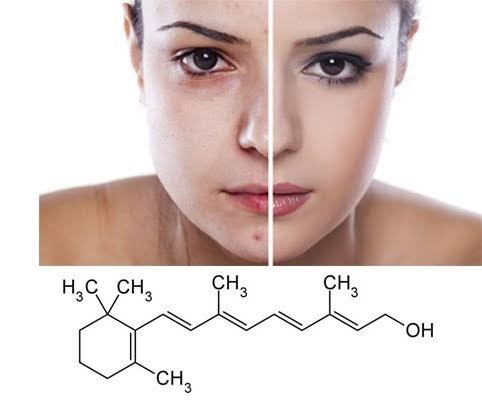
Retinoids, derived from vitamin A, are widely recognized for their effectiveness in promoting collagen production and cell turnover. They can help reduce the appearance of fine lines, wrinkles, and uneven skin tone.
2. Peptides:
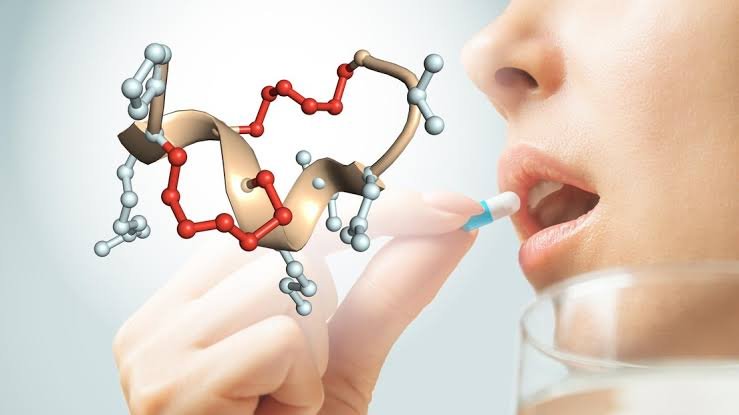
Peptides are short chains of amino acids that may help stimulate collagen production, thus contributing to firmer skin. They’re often found in serums and creams.
3. Hyaluronic Acid:
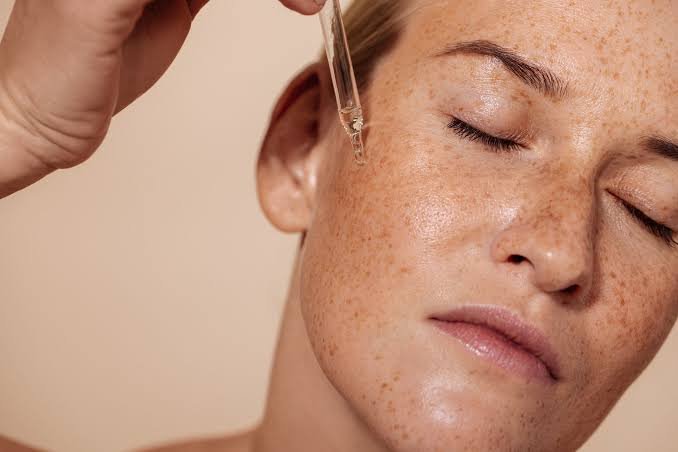
This naturally occurring molecule helps maintain skin hydration by attracting and retaining water. It can plump the skin, reducing the appearance of fine lines and wrinkles.
4. Antioxidants:
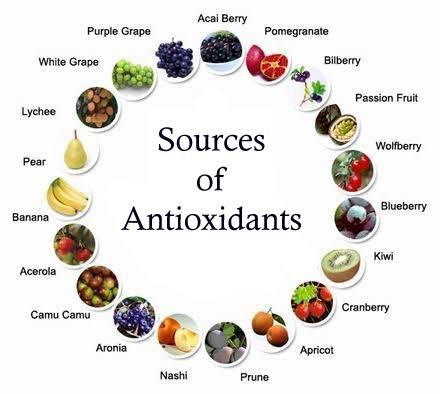
Vitamins C and E, as well as other antioxidants, help protect the skin from damage caused by free radicals. They can potentially prevent premature aging caused by environmental factors.
5. Sunscreen:

Perhaps the most crucial anti-aging product, sunscreen helps shield the skin from the harmful effects of UV rays, preventing photoaging (aging caused by sun exposure).
The Science Behind Anti-Aging Claims:
1. Collagen and Elasticity:
Hyaluronic acid is effective in providing immediate hydration and plumping effects. However, its long-term impact on reducing wrinkles might be more modest.
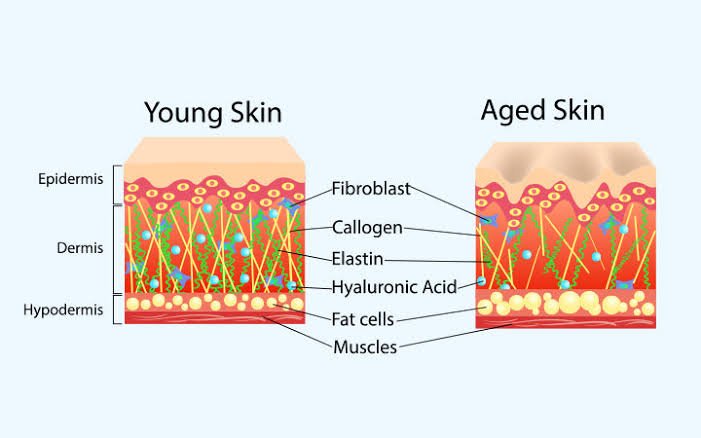
Some anti-aging products claim to boost collagen and elastin production, improving skin’s firmness and elasticity. While some ingredients have shown promise in stimulating collagen synthesis, the extent of their effects may vary based on individual factors.
2. Wrinkle Reduction:
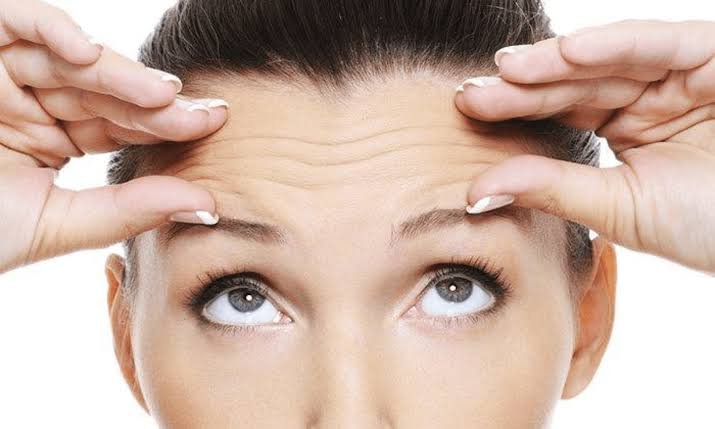
Retinoids and peptides can indeed help reduce the appearance of wrinkles. They encourage cell turnover and collagen production, resulting in smoother skin over time.
3. Hydration and Plumping:
4. Antioxidant Protection:
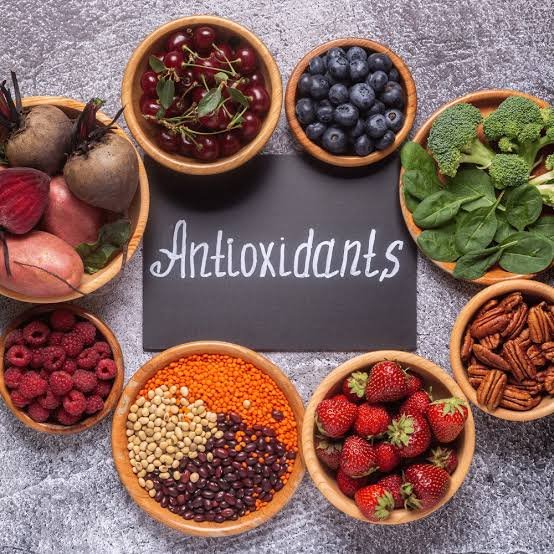
Antioxidant-rich products can help neutralize free radicals, minimizing skin damage caused by pollution and UV radiation.
The Importance of Consistency and Patience:

It’s essential to note that while many anti-aging products offer promising results, achieving visible improvements requires consistency and patience. Skin cell turnover takes time, and significant changes might not be evident overnight. Additionally, individual responses vary based on genetics, lifestyle, and skin condition.
The Role of a Holistic Approach:

Anti-aging isn’t solely about topical products. A holistic approach that includes a healthy diet, hydration, regular exercise, stress management, and adequate sleep is crucial for maintaining youthful skin. These factors contribute to overall well-being and can complement the effects of anti-aging products.
Conclusion:
Anti-aging products are backed by scientific research and can indeed provide noticeable benefits for your skin. However, it’s vital to approach them with realistic expectations and understand that no product can entirely reverse the aging process. Combining a well-balanced skincare routine with a healthy lifestyle is the key to achieving long-lasting, radiant skin.
In the end, the best anti-aging strategy is to embrace the natural aging process while taking proactive steps to care for your skin and body. Remember, beauty comes in all ages, and the journey towards healthy, glowing skin is a marathon, not a sprint.













 Daily Tech Inventions